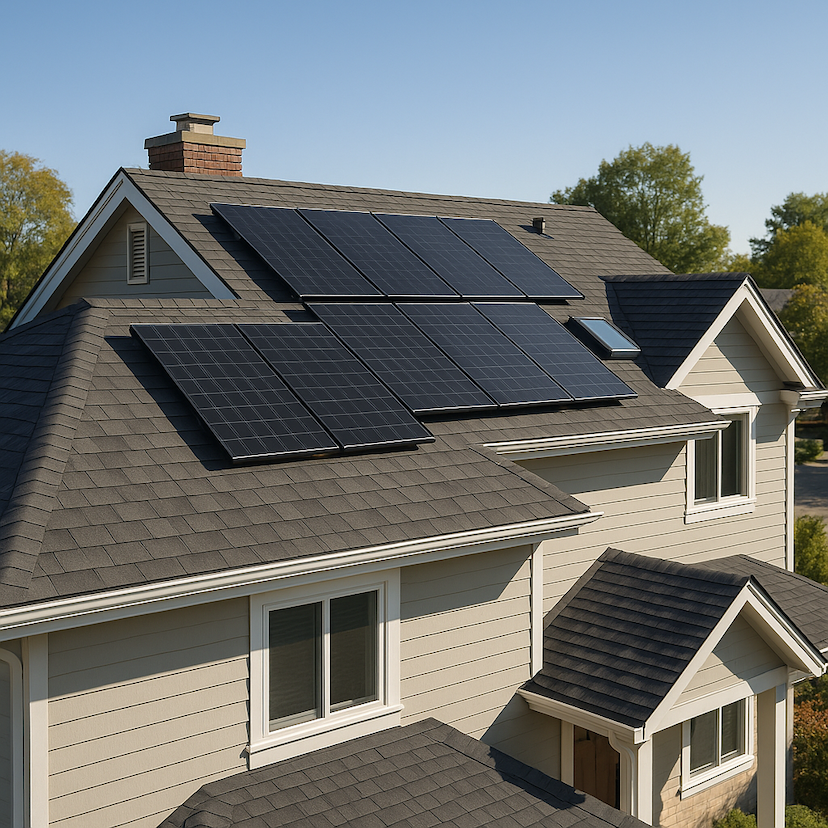
Stop guessing and start closing. This practical solar site survey checklist helps you capture the right data the first time, avoid change orders, and speed up design and permitting. Use it for on-site or remote assessments, and copy it into your template to create a solar site survey checklist PDF. If you work remotely, Enervio’s AI-driven remote property analysis and 3D solar simulations can pre-qualify sites before you ever roll a truck.
Why the site survey determines project success
A complete survey is the backbone of accurate design, fast permits, and happy customers. It verifies the structural and electrical baseline, validates usable roof or ground area, quantifies shading losses, and confirms equipment locations and routing. Getting this right prevents costly redesigns and protects margins. Even when you pre-qualify with remote tools, a structured checklist ensures you gather consistent data, align on homeowner expectations, and document photos that engineering, permitting, and installation teams can rely on. The result is tighter estimates, fewer field surprises, and a smoother path from proposal to PTO. For a refresher on
solar panel efficiency factors that influence orientation, shading, and yield, see this guide.
How to run a solar site survey step by step
Use this workflow to standardize your process across techs or sales reps. For a deeper breakdown of
solar site inspection steps, see this walkthrough.
- 1. Pre-survey prep: Pull utility use, check AHJ rules, confirm roof age and material, collect property boundaries, and review satellite imagery.
- 2. Safety and access: Confirm safe roof access, fall protection, attic access, and panel access. Note pets, alarms, or locked areas.
- 3. Exterior walkaround: Identify clear setbacks, obstructions, conduit routes, meter location, and potential inverter/ESS mounting areas.
- 4. Roof assessment: Inspect condition, layers, material, penetrations, slope, and orientation. Measure available planes and rafters or trusses as needed.
- 5. Shade analysis: Record nearby trees, chimneys, dormers, and future growth risk. Use a shade tool or validated remote model.
- 6. Electrical inspection: Open main service equipment, confirm ratings and space, identify busbar and breaker sizes, grounding and bonding, and interconnection path.
- 7. Owner interview: Confirm goals, EVs, future loads, backup needs, budget, aesthetics, and equipment preferences.
- 8. Photos and verification: Capture labeled photos of everything. Verify measurements against imagery before leaving.
- 9. Data handoff: Organize notes, photos, and measurements into your project record for design, permitting, and install teams.
The complete solar site survey checklist
Copy this list into your process doc to create your solar site survey checklist PDF.
Project and customer details
- Customer name, address, contact, decision makers
- Utility provider, rate plan, account number
- 12-month kWh history or interval data
- Owner goals: savings, backup, carbon, ROI
Site overview
- Property type and construction year
- Available mounting area: roof planes or ground
- Access constraints, setbacks, easements, zoning flags
- Historic district or HOA requirements
Roof condition and structure
- Material, color, age, layers, underlayment condition
- Visible damage, soft spots, ponding, leaks
- Framing type, rafter or truss spacing, size
- Allowed attachments and flashing compatibility
Measurements and layout
- Tape or laser measurements of usable roof planes
- Tilt and azimuth per plane
- Setbacks per AHJ and fire code
- Planned array layout notes and stringing constraints
Shading and obstructions
- Nearby trees, chimneys, vents, dormers, parapets
- Permanent and seasonal shade impact estimate
- Tree ownership and trimming feasibility
- Future risks: new builds, tree growth, antennas
Electrical service and interconnection
- Main service rating, busbar rating, main breaker size
- Space in main panel or need for subpanel
- Meter configuration, service disconnect, grounding
- Proposed interconnection method and breaker size
Equipment locations
- Inverter, combiner, ESS, rapid shutdown devices
- Clearances, ventilation, NEMA ratings, wall structure
- Noise and aesthetics considerations
- Conduit routes, penetrations, and trenching if applicable
Storage and backup (if applicable)
- Backup loads panel scope and critical circuits
- ESS placement, clearances, ambient temp
- NEC and manufacturer spacing, ventilation
- Service upgrade needs for backup operations
Permitting and documentation
- AHJ, utility interconnection rules, fire setbacks
- Structural calcs needed, wind and snow loads
- Required submittals and inspections
- Photos: roof planes, rafter ID, panels, nameplates
Safety hazards
- Asbestos or brittle roofing, knob-and-tube, aluminum wiring
- Pest issues, damaged decking, gas lines, chimneys
- Overhead lines, clearances, trip hazards
- Mitigation steps and notes
Homeowner preferences and constraints
- Aesthetic boundaries and array visibility
- Noise, working hours, staging areas
- Warranty expectations, O&M plan
- Future loads: EV, heat pump, pool, additions
On-site vs remote surveys, drones, and data sources
Remote-first workflows shorten sales cycles and reduce truck rolls. Start with satellite or aerial imagery, LIDAR-based roof geometry, parcel boundaries, and utility data to pre-qualify and produce a draft design. Drones can accelerate accurate roof measurements and capture high-resolution imagery for obstructions and condition. On-site visits remain valuable for aging roofs, complex electrical services, historic homes, and storage projects where clearances and ventilation must be field-verified. Enervio supports remote property analysis and 3D solar simulations inside proposals so you can set expectations earlier and reserve on-site time for confirmed buyers. To estimate travel time and labor impact, review the
cost of a solar site visit.
| Approach |
Best for |
Pros |
Watch-outs |
| Remote |
Pre-qual, simple roofs, early proposals |
Fast, scalable, low cost |
May miss subtle roof damage or panel space issues |
| Drone-assisted |
Detailed measurements, large roofs |
Accurate geometry, great visuals |
Airspace rules, pilot skills, weather |
| On-site |
Old homes, storage, complex interconnect |
Full verification, fewer surprises |
Travel time, scheduling, higher cost |
Permitting and code essentials to check
Confirm local fire setbacks, structural load requirements, wind and snow design values, grounding and bonding details, and the utility’s interconnection policy. For electrical backfeed, many jurisdictions apply the NEC 120 percent rule, limiting the sum of the main breaker plus PV breakers to 120 percent of the busbar rating unless center-fed or otherwise engineered. Some AHJs use roof access rules that effectively reserve clear pathways, which can reduce usable array area. Always verify with the authority having jurisdiction and the utility before finalizing your design and bill of materials.
Pro tips to increase accuracy and speed
- Standardize photos: Use the same photo angles and labels so engineers and permit techs can work faster.
- Measure twice, model once: Cross-check remote measurements with at least one field dimension per roof plane.
- Ask about future loads: EVs and heat pumps change system sizing and interconnection choices.
- Document utility gear: Clear photos of nameplates, meter mains, and busbar labels prevent electrical redesigns.
- Pre-qual remotely: Use remote data to filter bad fits before scheduling on-site work.
- Capture homeowner constraints: Aesthetics and noise notes save revisions later.
Downloadable resources and templates
If you need a solar site survey checklist PDF, copy the checklist section above into your company template and export to PDF, or store it in your project management tool to keep data consistent. Teams using Enervio can pair remote property analysis and 3D simulations with this checklist to move from first call to proposal in minutes. For apps that streamline data capture, photos, and reporting, explore
best solar sales software.
FAQs
How do you do a site survey for solar?
Prepare with utility use and AHJ rules, walk the exterior for access and routing, assess roof condition and measurements, run a shade analysis, inspect the electrical service for interconnection, align on homeowner goals and equipment locations, and document with labeled photos. Standardize everything with a checklist so nothing is missed.
What is included in a site survey?
Core items include roof condition and geometry, usable area and code setbacks, shading and obstructions, structural and attachment details, electrical service ratings and space, equipment placement with clearances, conduit routing, safety hazards, permitting requirements, and owner preferences. Photos and nameplates are mandatory for design and permitting.
What questions are asked on a solar energy survey?
Typical questions cover energy goals, budget, backup needs, planned future loads like EVs or heat pumps, aesthetic preferences, roof history, access constraints, and acceptable installation timelines. You will also confirm utility provider, rate plan, and the preferred equipment location.
What is the 20 percent rule for solar panels?
People often mean one of two things. Electrically, many jurisdictions use the NEC 120 percent rule for busbars, not 20 percent. Fire codes may require roof access pathways that reduce array coverage, sometimes described informally as leaving 20 to 30 percent clear. Always confirm the exact requirement with your AHJ.
Do I still need an on-site survey if I use remote tools?
For straightforward projects, remote data can be enough to price and even permit. For older homes, storage, service upgrades, or complex roofs, an on-site verification is recommended to confirm structure, electrical details, and clearances before final design.