If you are scaling a solar business, cost per lead is one of the fastest levers to move customer acquisition cost. Typical solar CPL ranges from sub $50 for referrals to $300+ on high-intent PPC in competitive metros. What you pay depends on channel, geography, lead type, exclusivity and how quickly you work the lead. This guide gives you channel benchmarks, the economics from CPL to CAC, and practical plays to reduce cost without sacrificing quality. For a detailed process, see our
step-by-step solar lead generation.
Solar CPL benchmarks by channel
Use the ranges below as directional benchmarks. Your actual cost will vary by market, offer, landing page quality, response speed and sales discipline.
| Channel |
Typical CPL range |
| Google Search Ads (PPC) |
$100 - $300 |
| Google Local Services Ads |
$80 - $200 |
| Facebook and Instagram Ads |
$20 - $100 |
| SEO and organic inbound |
$150 - $200 |
| Marketplaces - shared leads |
$25 - $100 |
| Marketplaces - exclusive leads |
$100 - $250 |
| Booked appointments from vendors |
$150 - $500 |
| Referrals and word of mouth |
$0 - $50 |
| Direct mail |
$50 - $120 |
| Door to door canvassing |
$40 - $150 |
| Digital door knocking |
$20 - $50 |
Benchmarks should frame expectations, not set strategy. The winning mix blends 2 to 4 channels so you are not exposed to a single source or sudden CPM spikes.
What counts as a solar lead and why it matters for CPL
A solar lead is contact information from a homeowner or business expressing interest in solar or storage. Quality varies widely. Exclusive leads are sold to one installer, shared leads go to multiple installers, and aged leads were generated weeks or months ago. The tighter the intent signal and the fewer hands the lead passes through, the higher the price and the better the conversion potential.
Factors that move your solar cost per lead
- Market competition and geography - dense, incentive-rich metros usually command higher CPCs and CPLs than rural or low-incentive areas.
- Lead type - commercial, storage or roof-plus-solar inquiries often cost more than standard residential.
- Exclusivity - exclusive and phone-verified leads cost more than shared or aged leads.
- Source quality - bottom-of-funnel search queries out-convert broad social audiences, but cost more.
- Offer and landing page - calculators, instant quotes and pre-qualification reduce bounce and CPL.
- Speed to lead and follow up - rapid, persistent outreach increases conversion, effectively lowering CPL over time.
Lead quality, exclusivity and freshness
Two vendors can sell the same number of leads at very different prices and outcomes. Shared leads are cheaper but come with more competition and lower contact rates. Exclusive and freshly generated leads cost more but usually deliver higher appointment and close rates. Ask vendors how they capture the lead, how many buyers receive it, whether it is phone-verified, and the acquisition date. Fresh, exclusive, clearly sourced leads are worth a premium when your team can respond within minutes.
Geo and job type pricing differences
Solar CPL differs by state and even ZIP code. Areas with heavy incentives, high electricity rates and dense competition tend to have higher PPC costs and vendor pricing. Residential inquiries commonly sit in the $40 - $200 band depending on source and exclusivity. Commercial or storage-focused leads can range higher given larger deal sizes. For local planning, check CPCs for your core keywords and compare vendor quotes by county rather than state-level averages.
From CPL to CAC and profit: the simple math
Cost per lead is only useful in context of conversion. Use this quick model to translate CPL into CAC and gross profit.
- Define your funnel rates: lead-to-appointment, appointment-to-sale.
- Leads per sale = 1 divided by (lead-to-appointment x appointment-to-sale).
- CAC from marketing = leads per sale x CPL.
Example: CPL $150, lead-to-appointment 35 percent, appointment-to-sale 25 percent. Leads per sale = 1 divided by 0.0875 = 11.43. CAC = 11.43 x $150 = $1,714. If your contribution margin per system is $5,000, you are in a sustainable zone. If margin is $1,500, you must either lower CPL, increase conversion or raise price to maintain profit.
Use this model to set a target CPL: Target CPL = Target CAC x conversion rate from lead to sale. If your target CAC is $1,200 and your lead-to-sale is 10 percent, your target CPL is $120. To frame pre-sales and field operations costs, review the
cost of a solar site visit.
Proven ways to lower solar CPL without hurting quality
- Improve intent and filtering - build campaigns around high-intent queries, add negative keywords, and use lead forms that qualify roof type, utility and bill size. Better filtering reduces wasted spend.
- Upgrade landing pages - add instant quote options, savings calculators, clear incentive messaging and social proof alternatives like case studies. Faster load speed and fewer fields lower drop-off. Also evaluate platforms in our best solar sales software (2025 buyers guide).
- Lean into Local Services Ads - LSA often costs less per qualified contact than search PPC and lets you dispute unqualified leads.
- Balance paid with compounding organic - publish local pages, FAQs and calculators to capture durable inbound demand and stabilize blended CPL.
- Referrals at scale - automate post-install referral requests with a simple reward and trackable links. Referral CPL is usually your lowest.
- Digital door knocking - ethically source compliant homeowner data, personalize outreach, and follow up with a short multi-touch cadence. Keep TCPA-compliant consent practices in place.
- Response and follow up - call within 1 minute, then vary call, text and email over 5 to 7 attempts. Speed and persistence lift conversion and lower effective CPL.
Measurement that actually lowers CPL
Track CPL by channel plus these core metrics: contact rate, lead-to-appointment, appointment set rate, show rate and close rate. Attribute revenue to campaigns with unique numbers and UTM parameters. Audit weekly to shift spend toward ad groups and audiences that drive appointments at or below your target. The fastest wins usually come from tightening keyword lists, improving creatives, and fixing slow response times.
Common pitfalls that inflate CPL
- Relying on a single channel or vendor and getting trapped by rising CPMs.
- Buying aged or opaque-source leads that have already been resold multiple times.
- Slow or inconsistent follow up that sinks contact rates.
- Thin, generic landing pages that fail to match search intent.
- No clean tracking, so you keep funding the wrong campaigns.
How Enervio helps reduce CPL and CAC
Enervio is an AI-powered sales platform for solar teams. While we are not a lead marketplace, our tools increase conversion and speed, which lowers your effective CPL and CAC across channels.
- AI agents that educate prospects and capture structured data, boosting lead-to-appointment rates.
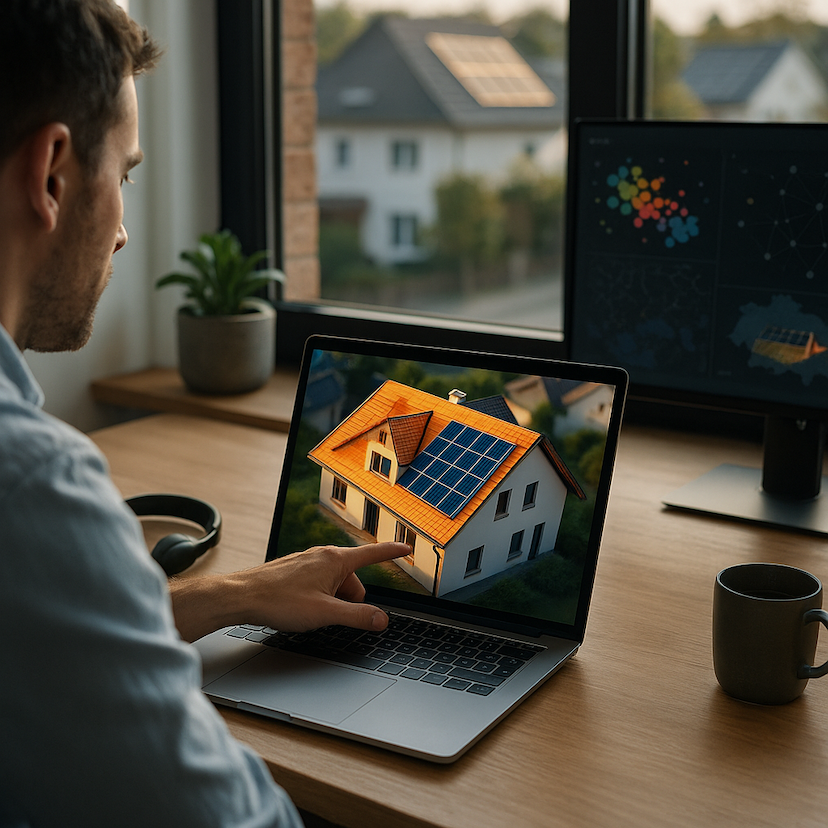
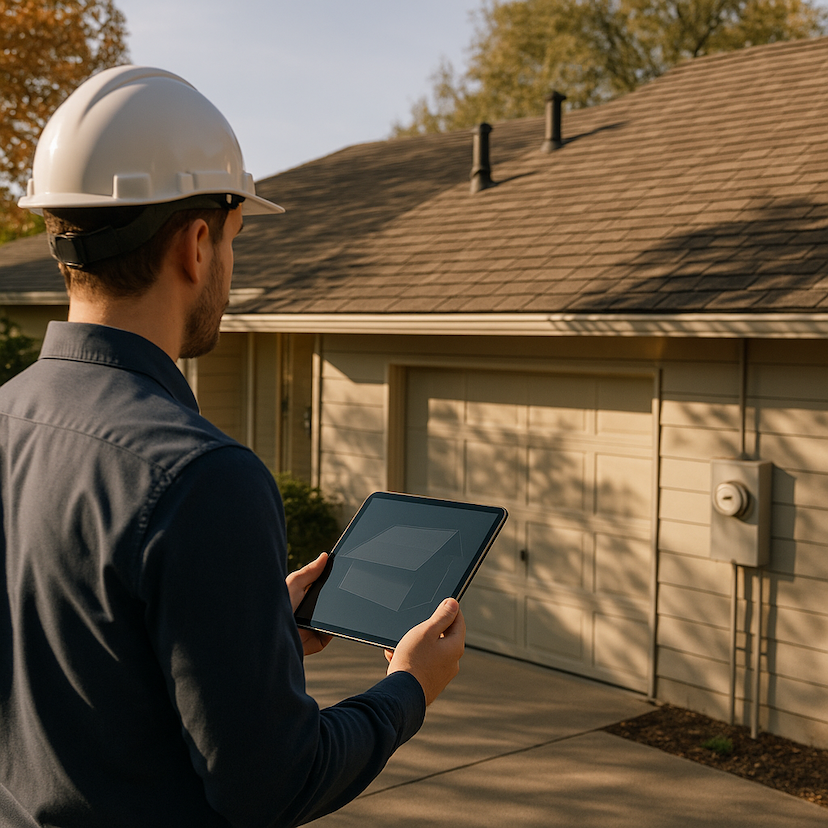
- Remote property analysis that pre-qualifies sites and removes friction before your first call.
- One-click proposal generation and 3D simulations that shorten the quote cycle and raise close rates.
- Fast implementation and a WordPress plugin so you can deploy conversion experiences on your site quickly.
For a deeper look at how Enervio compares on automations, routing and reporting, see
Enervio vs the competition: feature comparison.
When your same media spend produces more appointments and faster quotes, your blended CPL falls and your CAC improves. If you want to see how Enervio can plug into your current lead sources, request a demo.
FAQs
What is a reasonable cost per lead for solar?
A reasonable CPL depends on your market and funnel performance. In many US markets, $100 - $200 from high-intent search is common, while Facebook can deliver $20 - $100 with solid creative and targeting. Vendor leads vary from $25 for shared to $250 for exclusive. Use your target CAC and conversion rates to back into a CPL that preserves margin.
Why is my solar cost per lead so high?
Common drivers include broad keywords, weak negatives, low-intent audiences, slow pages, poor offer fit, and slow follow up. Competitive metros and incentive spikes also raise bids. Start by tightening intent, improving landing page speed and relevance, and enforcing sub-one-minute response times. Then reallocate budget to the ad groups that set the most appointments per dollar.
Are exclusive solar leads worth the higher price?
Often yes, if you can respond fast. Exclusive, fresh leads typically have higher contact and appointment rates, which can lower CAC even if CPL is higher. Ask for acquisition method, verification process, exclusivity terms and refund policies to ensure you are paying for quality.
What is a good conversion rate from solar lead to sale?
Benchmarks vary, but many teams see 5 - 10 percent lead-to-sale on mixed sources when they respond within minutes and follow up persistently. Improving lead-to-appointment to 30 percent or more and appointment-to-sale to 20 percent or more is a strong path to a healthy CAC.
Next steps to lower your solar CPL
Audit current CPL by channel, set a target based on your CAC and margin, and run 2 to 3 tests this month across intent filtering, landing page speed and response workflows. If you want help turning more of your existing leads into appointments and proposals, talk to Enervio about AI agents, remote property analysis and rapid proposal generation.