Speed to Lead in Solar: How to Win More Deals With Faster Response
When a homeowner raises a hand, the clock starts. In solar sales, speed to lead is the single most controllable lever to lift contact rate, appointment set rate, and ultimately revenue. The team that responds first creates the strongest impression, sets the agenda, and often wins the project without a price war. This article shows you how to define, benchmark, and operationalize speed to lead, and how AI and automation from platforms like Enervio help you respond in minutes, educate prospects on the spot, and send a polished proposal faster than competitors can schedule a call.
What is speed to lead in solar?
Speed to lead is the time between a lead being created and your first meaningful touch. That first touch can be a live call, a two way SMS, or a personalized email that starts a conversation. In solar lead generation it is sometimes called lead response time. The metric is typically measured in minutes and tracked by source, campaign, and team to expose where delays occur. A speed to lead system is the combined workflow, tooling, and service level agreement that ensures leads are captured, routed, and contacted without manual lag. You improve it by removing handoffs, triggering instant outreach, and giving reps context so the first interaction is relevant and helpful, not generic. For a deeper look at tools that shorten response time, see our
Solar sales software buyer’s guide (2025).
Why speed to lead matters for solar sales
Homeowners who submit a solar inquiry are usually comparing multiple installers and expecting fast, clear answers. If you respond first with value, you lift your contact rate because the lead is still at their device and in research mode. You lift your sit rate because the homeowner sees you as responsive and trustworthy, which reduces no shows. You also lower cost per lead and cost per acquisition over time because you convert a higher percentage of the same marketing spend.
Solar adds a twist that makes speed even more decisive. Prospects often have site specific questions about shade, roof pitch, incentives, and payback. If you can provide meaningful guidance in the first minutes, you earn authority and compress the sales cycle. AI assisted education and remote site assessments let you answer questions on the first touch instead of waiting for a site visit. That cuts decision friction and keeps momentum on your side. It also reduces unnecessary site visits—see
The real cost of a solar site visit for a breakdown of where time and money are lost.
Benchmarks and goals you can adopt
Gold standard
Respond within 1 minute during business hours. Trigger an immediate call attempt and a friendly SMS that confirms you received the request and offers a quick time to talk. Aim for a conversational first touch, not a generic confirmation.
Strong target
Respond within 5 minutes for all sources. Most leads are still engaged in this window. Pair the call with context from the form or ad so you can personalize the opening.
Minimum acceptable
Respond within 15 minutes for off hours or lower intent channels, then follow with a scheduled callback window. Beyond this point, contact probability typically declines and competing offers crowd the inbox.
Systems and automations that cut lead response time
Lead capture to instant routing
Connect every source to a single pipeline with real time webhooks. Route by skills, geo, language, and availability so the best qualified rep gets the first attempt. Use round robin with load balancing to prevent queues from forming while one rep is busy. Score leads on key signals and prioritize high intent contacts to the front of the queue. For details on how platforms compare on instant lead routing and auto-assign, explore
Enervio vs the competition: feature-by-feature comparison.
Immediate multi channel first touch
Trigger a call and a conversational SMS the moment a lead lands. Keep messages short, useful, and specific to the request. Include a direct scheduling link and a brief value hook that matches the homeowner’s intent such as estimated savings or roof fit. If you cannot connect by phone, send a clear email recap with next steps to keep the thread alive. To consistently feed this workflow and tie fast follow-up to acquisition, see
How to generate solar leads step-by-step.
Answer questions with AI and eliminate wait time
Use AI to deliver personalized education during the first interaction so you do not lose momentum. Enervio lets you present tailored explanations of incentives, design tradeoffs, and payback based on your company’s approach. That turns a cold first touch into a mini consultation that builds trust without making the homeowner wait for an expert.
Quote in minutes with remote property capture
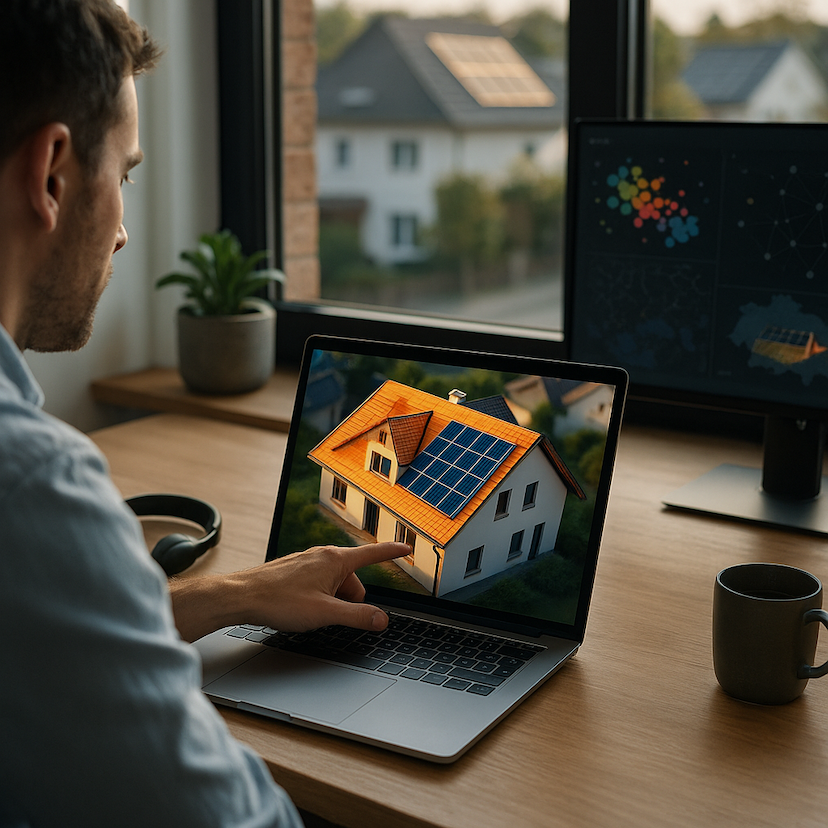
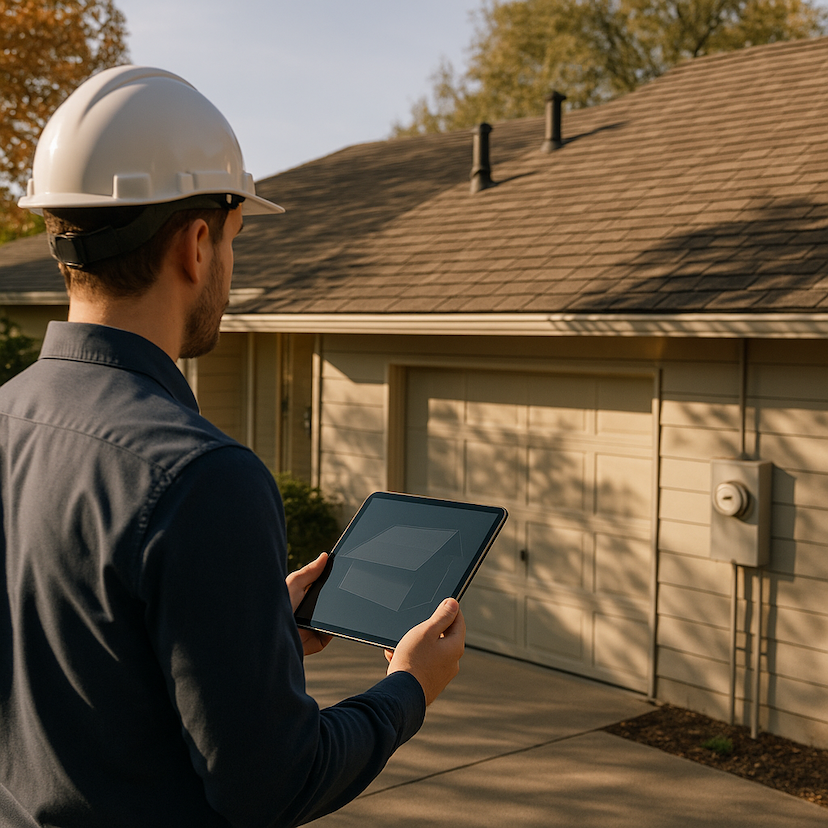
The fastest response wins when it comes with substance. Enervio accelerates remote site assessment with 3D property visualization and automatically collects key property data. You can generate an accurate, branded proposal within minutes instead of days, speeding the decision while enthusiasm is high.
Caller ID reputation, compliance, and trust
Protect contact rate by keeping your numbers clean. Register your caller IDs, rotate responsibly, and avoid practices that trigger spam labels. Always capture consent on forms and communicate why you are contacting the homeowner. Clear identification and compliant messaging improve answer rates and reduce friction from the first call.
How faster response improves downstream KPIs
Contact rate rises when you call while interest is fresh. With more live conversations, your sit rate increases because you can set appointments during the first touch, not after a series of missed calls. Higher sit rates feed better proposal acceptance and a lower cost per acquisition, even if your cost per lead stays the same. In practice, shaving minutes from response time means fewer dials per opportunity, shorter sales cycles, and steadier pipelines. You also uncover low quality sources faster because you see which channels only respond when you call immediately and which perform across time windows. That lets you shift budget toward sources that convert beyond the first minute without inflating workload.
Implementation roadmap in 30 days
Week 1 - audit and SLA
Measure current lead response time across every source and hour of day. Define a clear service level agreement such as 1 minute during business hours and 5 minutes off hours. Map your bottlenecks and decide which touches should be automatic versus human.
Week 2 - integrations and routing
Connect web forms, ads, chat, and marketplace leads to your CRM and to Enervio. Set up skill based and geo based routing with clear ownership rules. Configure instant triggers for call, SMS, and email with fallbacks when a rep is unavailable.
Week 3 - messaging and enablement
Write short, helpful first touch scripts for phone, SMS, and email that echo the lead’s intent. Add objection handling for common questions and align on tone. Train reps on using Enervio’s AI education and 3D visuals during the first conversation.
Week 4 - go live and iterate
Launch your new workflows, review dashboards daily, and adjust routing and scripts based on connect outcomes. Test variations of subject lines, opening lines, and timing until you see consistent gains in contact and sit rates.
Measurement and dashboards
Track lead response time in clear buckets such as 0 to 1 minute, 1 to 5 minutes, 5 to 15 minutes, and over 15 minutes. Break out contact rate, appointment set rate, show rate, proposal rate, and close rate by bucket to prove the compounding effect of speed. Monitor cost per lead and cost per acquisition alongside effort metrics like dials per contact and touches to appointment. Watch caller ID health and consent rates to protect your ability to connect. Use trend lines by source and by hour to staff intelligently and to back your SLA with data, not anecdotes.
FAQ
What does speed to lead mean?
Speed to lead is the time from a lead’s creation to your first meaningful contact attempt. In solar that first touch is often a live call supported by an SMS and a short email. The goal is to remove delay so you engage while intent is highest and before competitors do.
What is a speed to lead system?
It is the workflow and technology stack that captures leads in real time, routes them to the right rep, and triggers immediate, personalized outreach across phone, SMS, and email. A strong system also gives reps context and tools such as AI guidance and instant proposals so the first touch delivers value, not just a greeting.
How much do solar companies pay per lead?
Costs vary widely by geography, channel, and buyer intent. Marketplace and paid search leads are usually more expensive than social or partner referrals. Instead of chasing a universal price, track cost per lead and cost per acquisition by source, and prioritize channels that sustain good conversion at acceptable costs.
What is speed to lead in real estate and why does it matter to solar?
Real estate teams measure speed to lead the same way and see the same pattern that minutes matter. The lesson carries to solar because homeowners compare multiple providers and move quickly when they get timely, helpful answers. Borrow best practices such as instant callbacks, short SMS confirmations, and clear scheduling links.
Try Enervio to accelerate your speed to lead
Enervio helps you respond faster and with more substance. Capture property details remotely, educate prospects with a personalized AI consultant, and generate 3D visual proposals in minutes instead of waiting for site visits. Enervio integrates with your existing tools, supports your team with free implementation and 24 to 7 technical help, and gives you the operational edge to contact, sit, and close more deals from the same ad spend.
Create your Enervio account to start improving speed to lead today.